
custom frameless mirror
Fabbricazione della Lamiera Un’Introduzione al Processo e alle Tecniche La fabbricazione della lamiera è un settore fondamentale dell'industria manifatturiera, coinvolgendo una serie di processi utilizzati per modellare e trasformare lastre metalliche in vari prodotti finiti. Questa pratica è ampiamente utilizzata in diversi settori, tra cui l'automotive, l'aerospaziale, l'edilizia e la produzione di apparecchiature industriali. Fabbricazione della Lamiera Un’Introduzione al Processo e alle Tecniche Una volta selezionato il materiale, si passa alla fase di taglio, che può avvenire in vari modi. Le tecniche di taglio più comuni includono il taglio laser, il taglio plasma e il taglio a ghigliottina. Il taglio laser, in particolare, è molto apprezzato per la sua precisione e per la capacità di realizzare forme complesse senza compromettere l'integrità della lamiera. sheet metal fabrication table Dopo il taglio, la lamiera può subire diverse operazioni di formatura. La piegatura è una delle tecniche più utilizzate, in cui la lamiera viene piegata in forme specifiche utilizzando una pressa piegatrice. La formatura attraverso stampi è un’altra tecnica comune, utilizzata per creare componenti complessi che richiedono forme precise. Un altro aspetto importante della fabbricazione della lamiera è l’assemblaggio. I pezzi di lamiera possono essere assemblati tramite saldatura, rivettatura o boltaggio, a seconda delle esigenze di robustezza e delle applicazioni finali. La saldatura, ad esempio, è utilizzata quando è necessaria una connessione permanente, mentre il boltaggio consente una maggiore facilità di smontaggio. Infine, il trattamento superficiale è fondamentale per migliorare la durabilità e l'estetica del prodotto finito. Processi come la verniciatura, l'anodizzazione e il galvanizzamento proteggono le lamiere dalla corrosione e ne migliorano l'aspetto visivo. In conclusione, la fabbricazione della lamiera è un processo complesso e multifase che richiede competenze tecniche e attrezzature specializzate. La qualità del prodotto finale dipende non solo dalla scelta dei materiali e dalle tecniche utilizzate, ma anche dall’esperienza degli operatori coinvolti. Con l’avanzare della tecnologia, la fabbricazione della lamiera continua a evolversi, portando a soluzioni innovative e prodotti sempre più sofisticati.
about
custom frameless mirror
When it comes to industrial applications, gate valves are essential components designed to control the flow of fluids. Among the various types of gate valves, the soft seal gate valve and the hard seal gate valve are two distinct variations that serve specific purposes. Understanding their differences and applications can help engineers and decision-makers choose the right valve for their needs. Understanding Soft Seal Gate Valves A soft seal gate valve utilizes a flexible material, usually elastomeric, for its sealing surface. This design allows the valve to create a seal that effectively prevents leakage when closed. Soft seal gate valves are known for their ease of operation and maintenance, making them an attractive option in applications that require frequent valve actuation. The advantages of soft seal gate valves include: - Excellent Sealing Performance: The flexibility of the sealing material allows for tight sealing against fluid flow, reducing the risk of leakage. - Low Torque Operation: Soft seal designs often require less torque to open and close, facilitating smoother valve operation. - Cost-Effective: Generally, soft seal gate valves are more cost-effective to manufacture and purchase, making them a budget-friendly option for many projects. - Versatility: Suitable for various applications, including water, oil, and gas, where occasional throttling is acceptable. Exploring Hard Seal Gate Valves On the other hand, the hard seal gate valve features a rigid sealing surface typically made of metal or ceramic materials. This design provides enhanced durability and makes hard seal gate valves ideal for high-pressure and high-temperature applications. Key characteristics of hard seal gate valves include: - High Pressure and Temperature Resistance: The robust materials used can withstand severe conditions, making them suitable for challenging environments. - Longevity: Hard seal gate valves are built to last, reducing the frequency of replacements and contributing to lower maintenance costs in the long term. - Reduced Wear and Tear: The durable construction means they are less prone to damage from abrasive materials or extreme working conditions. - Suitable for Low Flow Applications: Hard seal gate valves excel in applications where fluid flow is minimal, requiring a reliable, leak-proof experience when fully closed. Choosing the Right Valve for Your Application When deciding between a soft seal gate valve and a hard seal gate valve, consider the specific requirements of your application: 1. Operating Conditions: If your application involves high-pressure or high-temperature fluids, the hard seal gate valve is likely the better option. Conversely, for standard conditions with infrequent use, a soft seal gate valve may suffice. 2. Frequency of Use: If the valve is intended for regular adjustments or maintenance, a soft seal design may offer improved ease of use. 3. Budget Considerations: Evaluate your project budget. Soft-seal gate valves are generally more affordable upfront, while hard-seal gate valves may yield savings over time due to their durability. 4. Fluid Type: Certain fluids may necessitate specific types of sealing materials. Ensure that the chosen valve material is compatible with the fluid to avoid degradation. In summary, both soft seal gate valves and hard seal gate valves possess unique features and advantages that cater to different industrial needs. Understanding their differences in terms of sealing mechanisms, operational characteristics, and applications is crucial for making an informed decision. By selecting the appropriate gate valve, you can enhance system functionality, ensure reliable fluid control, and optimize overall performance in your engineering applications.
-

High quality industrial productsagement

High quality industrial products
View Details -

Meet the diverse needs of customers

Meet the diverse needs of customers
View Details -

Strict quality control

Strict quality control
View Details -

Top raw materials

Top raw materials
View Details -

Trusted supplier

Trusted supplier
View Details
Our application


news and information

Vanne à boule Fisher pour des applications industrielles et de contrôle de flux
La vanne à globe Fisher un choix stratégique pour l'industrie Dans un monde où l’efficacité et la f

Válvula borterilha de 1,5 polegadas para aplicações industriais e de encanamento.
Válvula Borboleta de 1.5 Polegadas Um Componente Essencial na Indústria As válvulas borboleta desemp
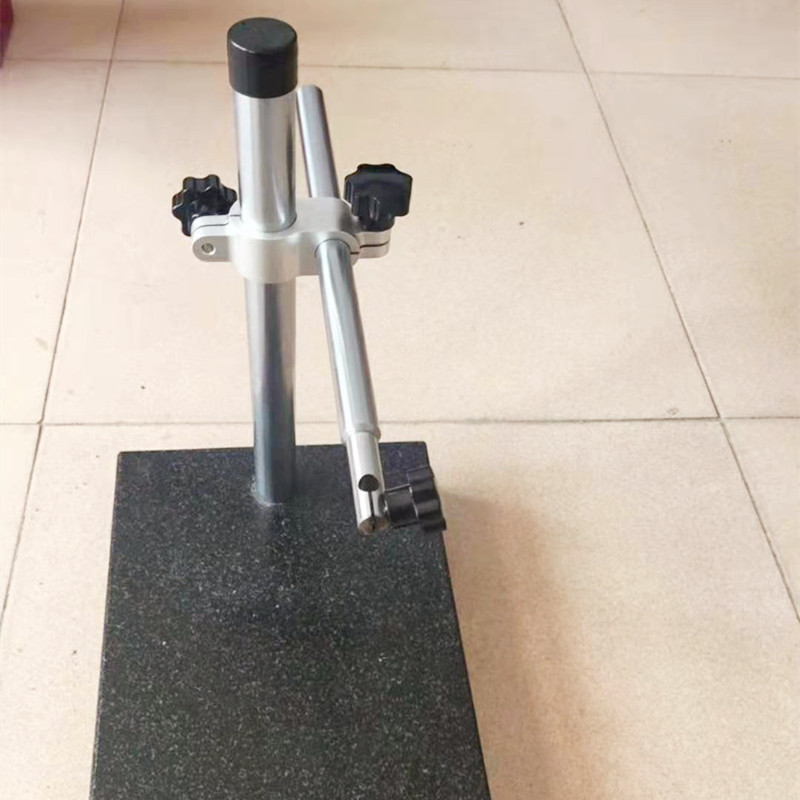
welding fab table
Understanding Welding Fabrication A Comprehensive Guide Welding fabrication plays a critical role in
 English